
10 Tips for Choosing Impact Windows in South Florida (2026 HVHZ Code Guide)
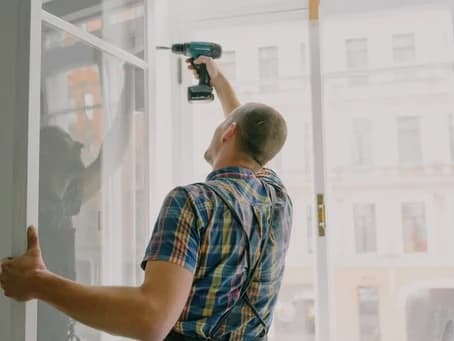
Choosing windows in South Florida isn't the same decision as choosing windows anywhere else in the country — the region's hurricane-code requirements narrow the field before style or budget ever enter the conversation. Miami-Dade and Broward counties sit in the High-Velocity Hurricane Zone (HVHZ), where every window must carry a Miami-Dade Notice of Acceptance (NOA); Palm Beach County sits just outside HVHZ in the state's Wind-Borne Debris Region, where the same protection level is certified through Florida Product Approval instead. Get that distinction wrong and you can buy a code-compliant window for the wrong county. Below are 10 tips for choosing the right windows for a South Florida home, with the tri-county code and pricing specifics most generic buying guides leave out.
1. Consider Your Climate — and Your County's Wind Zone
One of the most important factors in choosing windows is your local climate. In South Florida, where we experience hot, humid weather and hurricane season, you'll want windows that can withstand these conditions while keeping your home comfortable — but climate isn't the only variable. Which county you're in determines which hurricane-code approval your windows must carry.
- •Hot Climates: Look for windows with low Solar Heat Gain Coefficients (SHGC) to reduce heat transfer and keep cooling costs down.
- •HVHZ Counties (Miami-Dade & Broward): Windows must carry a Miami-Dade Notice of Acceptance (NOA) — the county's own large-missile-impact and wind-pressure testing standard (ASTM E1886/E1996).
- •Wind-Borne Debris Region (Palm Beach County): Palm Beach sits outside HVHZ, so windows are certified through Florida Product Approval (an FL# number) rather than a Miami-Dade NOA — a different approval pathway, not a lower protection standard.
- •Humid Climates: Choose windows with proper seals and ventilation to prevent moisture buildup and mold growth.
Before signing a contract anywhere in Miami-Dade, Broward, or Palm Beach, verify the specific product's NOA or Florida Product Approval number against your county — an installer who only checks one county's list can hand you a window that's compliant next door but not on your own permit application.
2. Understand Window Materials
The material of your window frames plays a crucial role in performance, maintenance, and aesthetics. Here are the most common options:
- •Vinyl: Low maintenance, energy-efficient, and cost-effective. Vinyl windows resist moisture and don't require painting.
- •Aluminum: Strong, lightweight, and modern-looking. Great for contemporary homes but can conduct heat.
- •Fiberglass: Extremely durable and energy-efficient. More expensive but offers excellent long-term value.
- •Wood: Classic, beautiful aesthetic with excellent insulation. Requires regular maintenance but offers timeless appeal.
3. Choose the Right Glass Type
The glass in your windows is just as important as the frame. Different glass types offer various benefits:
- •Impact-Resistant Glass: Essential for hurricane protection. Features laminated glass that stays intact even when shattered.
- •Low-E Glass: Has a special coating that reflects heat while allowing light to pass through, improving energy efficiency.
- •Double or Triple Pane: Multiple layers of glass with insulating gas between them provide superior energy efficiency.
- •Tinted or Reflective Glass: Reduces glare and heat gain while providing privacy.
4. Select the Appropriate Window Style
Window style affects both aesthetics and functionality. Consider these popular options:
- •Double-Hung Windows: Both sashes move up and down. Classic look, easy to clean, and versatile.
- •Casement Windows: Hinged on the side and open outward. Excellent ventilation and modern appearance.
- •Sliding Windows: Slide horizontally on tracks. Great for wide openings and contemporary designs.
- •Picture Windows: Fixed panes that don't open. Maximize views and natural light.
- •Bay or Bow Windows: Project outward from the home. Create additional interior space and architectural interest.
5. Prioritize Energy Efficiency
Energy-efficient windows can significantly reduce your utility bills and improve comfort. Look for these ratings:
- •U-Factor: Measures heat transfer. Lower numbers mean better insulation (look for 0.30 or below).
- •Solar Heat Gain Coefficient (SHGC): Measures solar heat transmission. In hot climates, lower is better (0.25 or below).
- •Energy Star Certification: Ensures windows meet strict energy performance criteria for your climate zone.
- •Air Leakage Rating: Lower ratings indicate better resistance to air infiltration.
6. Consider Maintenance Requirements
Think about how much time and effort you're willing to invest in maintaining your windows:
- • Vinyl and fiberglass require minimal maintenance – just occasional cleaning.
- • Wood windows need regular painting or staining to prevent deterioration.
- • Aluminum windows may require periodic checks for corrosion in coastal areas.
- • Consider windows with features like tilt-in sashes for easier cleaning.
7. Match Your Home's Architectural Style
Your windows should complement your home's architectural design:
- •Traditional Homes: Double-hung or casement windows with divided lites work well.
- •Modern Homes: Large picture windows, sliding glass doors, and aluminum frames suit contemporary aesthetics.
- •Mediterranean Style: Arched windows and warm-toned frames complement this architectural style.
- •Coastal Homes: Impact-resistant windows with corrosion-resistant materials are essential.
8. Set a Realistic Budget
In South Florida, impact windows typically run $1,000–$2,500 per window installed, depending on size, style, and frame material — sliding glass doors cost more and scale with panel count. Here's what moves that number:
- •Frame material: Vinyl is the most affordable option; aluminum and fiberglass cost more but hold up better under direct South Florida sun.
- • Impact-resistant windows cost more up front but may qualify your home for a wind-mitigation insurance premium credit — ask your carrier.
- • Custom sizes and shapes will increase costs.
- • Permit and NOA/Florida Product Approval documentation are handled as part of installation — confirm your quote includes them, not as a change order later.
- • $0-down financing with terms up to 20 years is available, so the real question is monthly payment, not just the total.
For an exact number on your own windows rather than an average, use Price My Windows — add each opening, pick a style, and see your real price in minutes. No in-home appointment required to get there.
9. Check Building Codes and HOA Requirements
Before making a final decision, ensure your windows comply with local regulations — and that the paperwork matches your specific county:
- • South Florida building codes require impact-resistant windows, but the certifying document differs by county — Miami-Dade NOA in the HVHZ, Florida Product Approval in Palm Beach's Wind-Borne Debris Region.
- • In Miami-Dade County, check the Miami-Dade County Product Control approval number for the exact impact window you're buying — a generic manufacturer brochure isn't proof of approval.
- • Review HOA architectural guidelines for style, color, and material restrictions.
- • Window replacement requires a building permit throughout Miami-Dade, Broward, and Palm Beach — a licensed contractor pulls this as part of the job, not as an add-on.
10. Work with a Reputable Window Professional
Choosing the right contractor is as important as choosing the right windows:
- •Look for Experience: Choose contractors with extensive experience installing windows in South Florida.
- •Verify Credentials: Ensure they're licensed, insured, and certified by window manufacturers.
- •Check References: Read reviews and ask for references from previous customers.
- •Get Multiple Quotes: Compare at least three detailed estimates before making a decision.
- •Understand Warranties: Look for comprehensive warranties on both products and installation.
Frequently Asked Questions
Do Broward and Palm Beach homes need the same window approval as Miami-Dade?
No — the approval document differs by county, not the protection level. Miami-Dade and Broward are both inside the High-Velocity Hurricane Zone (HVHZ), so windows there must carry a Miami-Dade Notice of Acceptance (NOA). Palm Beach County sits just outside HVHZ, in Florida's Wind-Borne Debris Region, so the same missile-impact and wind-pressure testing is certified instead through a Florida Product Approval (FL#) number. Always confirm the specific approval type against your own county before signing.
How much should I budget for impact window replacement in South Florida in 2026?
Plan on roughly $1,000–$2,500 per window installed, with sliding glass doors running higher and scaling with panel count. $0-down financing with terms up to 20 years is available, so most homeowners weigh the monthly payment rather than the total. Use Price My Windows to price your exact openings — no in-home appointment required to see a number.
Conclusion
Choosing the perfect windows for your home is a significant decision that impacts energy efficiency, comfort, safety, and aesthetics — and in South Florida, code compliance (NOA or Florida Product Approval, depending on your county) has to be right before style or budget ever enter the conversation. By following these 10 tips, you can make an informed choice that meets your needs and budget while enhancing your home's value and protection.
Roofweiler installs Miami-Dade NOA and Florida Product Approval-rated impact windows across Miami-Dade, Broward, and Palm Beach counties, Florida Certified Roofing Contractor license CCC1337426. Price your windows. No salesman. No surprises. Use Price My Windows to see your real installed price in minutes, or browse the full impact window and door service for the tri-county specifics.
Related Articles

Enhance Your Home's Safety with Impact Windows in Florida
Impact Windows: Providing a robust solution for homeowners looking to protect their homes against severe weather conditions.
The Ultimate Guide to Impact Windows: Why They're Superior to Regular Windows
South Florida is a paradise known for its beautiful weather, but it's also vulnerable to hurricanes.
Transform Your Home and Protect Your Investment with Impact Windows Replacement
Discover the benefits of Impact Windows Replacement. No more worries when hurricanes are approaching.
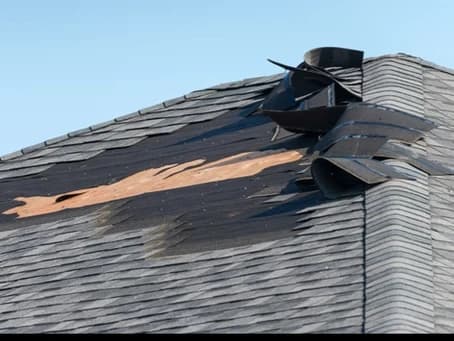
How to Prepare Your Home for Hurricane Season: Tips for Protecting Your Property
Prepare your home for hurricane season with these essential tips to protect your property.